

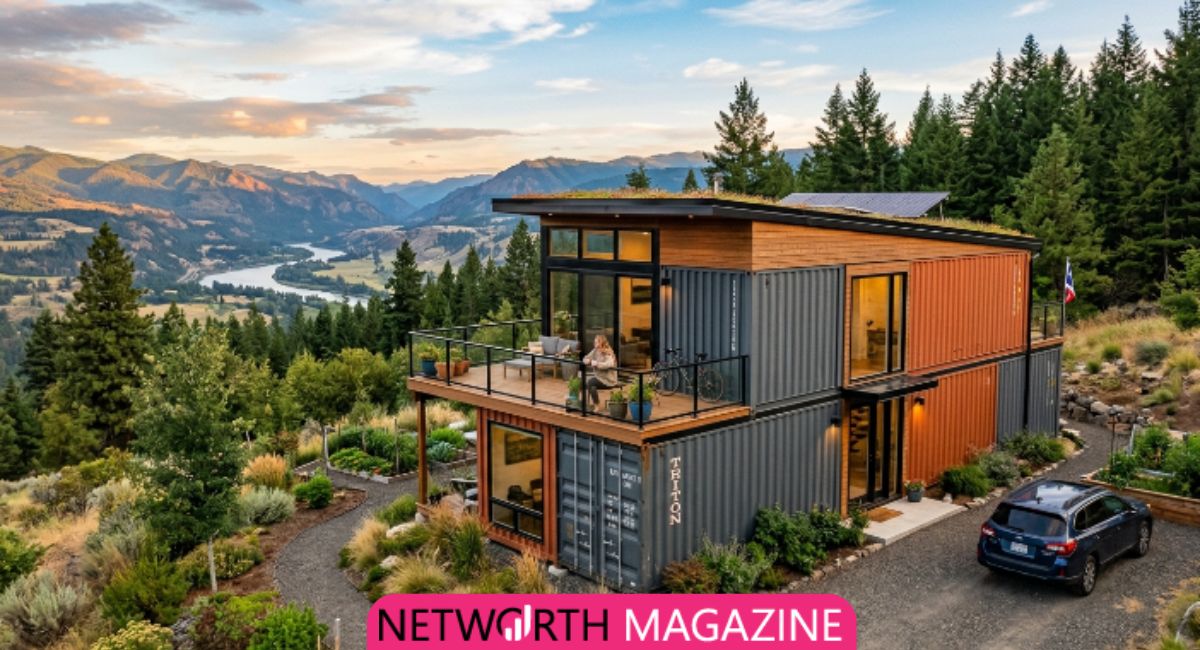
As housing prices continue to rise across the United States, Shipping Container Homes are becoming a smart and modern way to build without overspending. What once carried cargo across oceans now transforms into stylish living spaces that combine flexibility, creativity, and efficiency. From compact weekend cabins to full-size family houses, container living offers more possibilities than many people expect.
Today’s homeowners explore unique Shipping container home designs, practical Shipping container floor plans, and budget-friendly alternatives to traditional construction. Whether you are considering Cheap shipping container homes, comparing costs, or dreaming of customized spaces, this guide covers everything you need to know before building your ideal container home.
What Are Shipping Container Homes?
How Shipping Container Homes Work
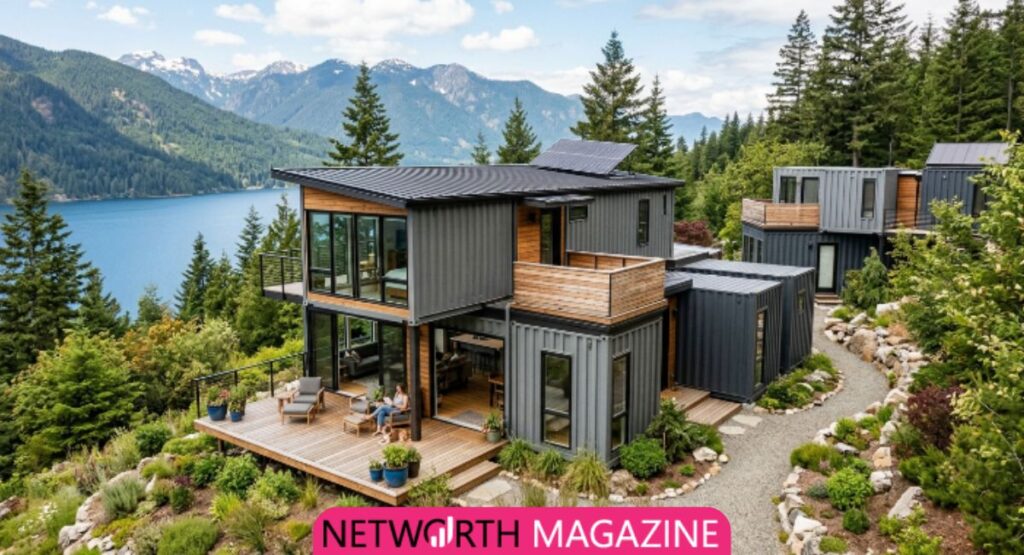
Shipping Container Homes are houses created from steel cargo containers that were originally built to transport goods around the world. Builders transform these units into living spaces through Shipping container conversion, wall openings, utility installation, and interior finishing. Most homes use either a 20 ft shipping container home layout or a 40 ft shipping container home design depending on available land and space requirements. These containers arrive with a durable shell already in place which reduces several early construction steps.
Unlike conventional homes that begin from raw framing, Container home construction starts with an existing structure. Builders install windows, insulation, flooring, plumbing, and electrical systems to turn industrial boxes into welcoming homes. Many owners also combine multiple containers to create larger floor plans. This process supports Modular construction and allows easy expansion over time.
Container homes continue gaining attention because they blend speed with creativity. A simple container can become a guest suite, office, vacation rental, or full-time residence. More advanced projects use Repurposed shipping containers and combine them into spacious Modern container houses with impressive finishes and open layouts. This approach supports Eco-friendly housing because builders reuse existing materials instead of creating every structural element from scratch.
Another reason these homes attract attention is adaptability. Buyers can create compact studios or larger family homes with custom features. Some owners choose Portable housing for remote land while others invest in permanent residences. As a result, Shipping container home ideas now cover nearly every lifestyle and budget.
Pros and Cons of Shipping Container Homes
Understanding Shipping Container Home Pros and Cons
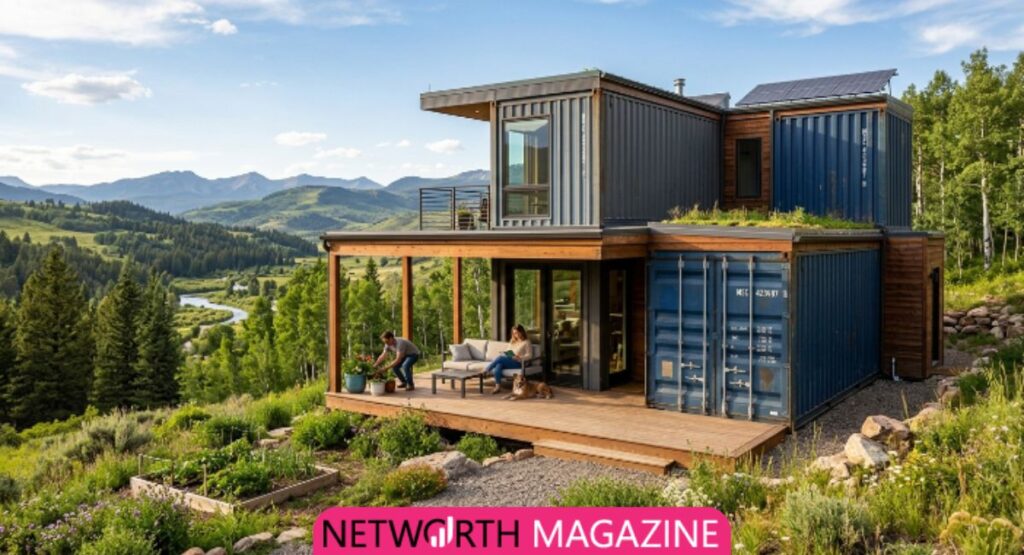
Before investing, it helps to understand the real Shipping container home pros and cons. Container living offers advantages that traditional construction sometimes cannot match. Lower startup costs, quicker build schedules, and design freedom attract buyers across the country. Since containers already contain a strong frame, many projects move faster than standard home builds.
However, container homes are not perfect. Their narrow width creates design limits and climate control requires careful planning. You must think about Container insulation, ventilation, and local regulations before moving forward. Buyers often ask, Are shipping container homes cheaper than houses. The answer depends on design complexity, land price, and finishing choices.
| Advantage | Why It Matters |
| Lower build time | Existing shell speeds construction |
| Flexible layouts | Easy expansion with additional containers |
| Strong structure | Built using Steel container structures |
| Modern appearance | Supports unique architecture |
| Smaller footprint | Works well for efficient living |
Container homes also create challenges. Many projects require Structural reinforcement after cutting walls and openings. Interior width remains limited because standard Shipping container dimensions leave less usable space once insulation and finishing are added. Owners must also plan for HVAC installation, moisture control, and local Building permits.
The biggest advantage may be flexibility. You can build starter homes, rentals, cabins, or luxury residences. You can also scale gradually. That flexibility explains why interest in Alternative housing continues to rise across the USA.
Are Shipping Container Homes a Good Investment?
Are Shipping Container Homes Worth It?
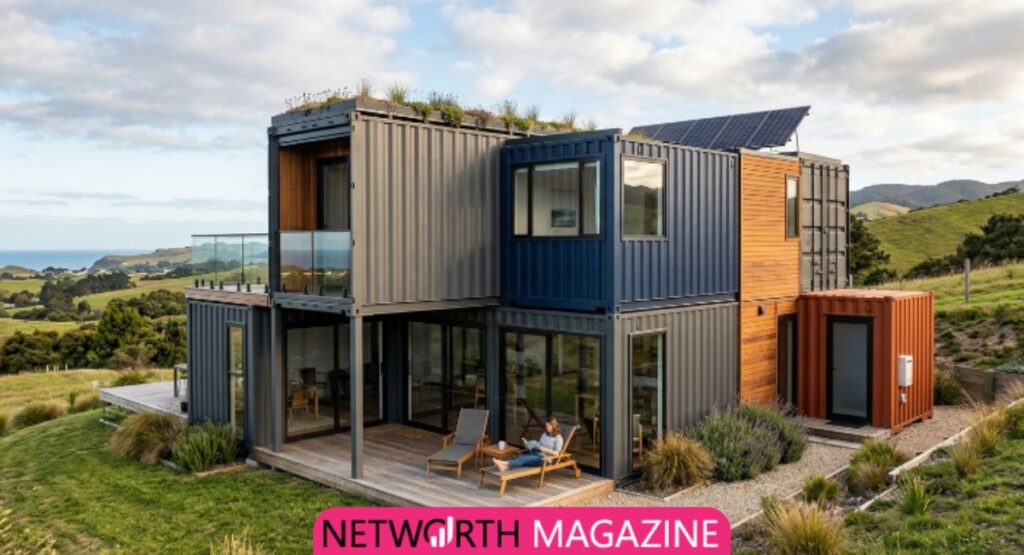
Many buyers ask one question before anything else: Are shipping container homes worth it? The answer depends on how you plan to use the property. If your goal is efficient living, vacation rentals, or reducing Home construction costs, a container project may deliver strong value. Smaller homes also reduce maintenance and utility expenses.
Investment value improves when the home includes quality design, good insulation, and legal approvals. Buyers increasingly accept container properties when they feel comfortable and look polished. Strong planning often matters more than the building material itself.
One reason these homes attract investors is cost control. A carefully designed project can cost less than many conventional houses while still offering premium finishes. Some owners spend savings on upgraded kitchens, outdoor areas, and custom interiors. Features such as a Rooftop patio, modern windows, and thoughtful Interior container design can increase appeal and usability.
Another factor is income potential. Vacation rentals and remote stays continue growing in popularity. Well-designed Prefab container homes, DIY shipping container homes, and premium Luxury container homes often attract travelers looking for unique experiences. Financing still varies by location though. Buyers should review Container home financing, zoning rules, and resale conditions before making a decision.
| Investment Factor | Typical Impact |
| Build speed | Faster project completion |
| Operating cost | Often lower for compact homes |
| Resale demand | Growing but market dependent |
| Rental opportunity | Strong in tourism markets |
| Expansion potential | Easier with modular layouts |
When done correctly, container homes can become more than a trend. They can serve as practical housing, income-producing property, and a creative long-term investment.
Shipping Container Home Designs and Layout Ideas
Exploring the Best Shipping Container Home Designs
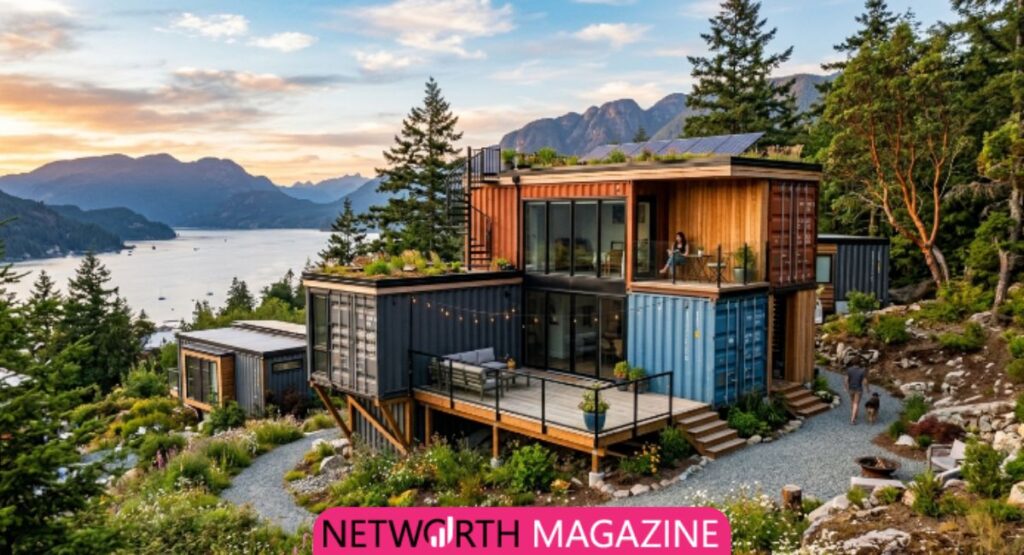
The biggest reason people choose Shipping Container Homes is design freedom. You can start with one container and expand later or combine several units into a completely custom layout. Some homeowners prefer compact living while others build large family homes with multiple levels and outdoor spaces. Today’s Shipping container home designs look far different from the industrial boxes most people imagine.
Simple homes often focus on clean lines and efficient use of space. Larger projects experiment with glass walls, wide openings, and flexible room arrangements. This style of Container architecture creates homes that feel modern without becoming complicated. A well-planned Container living space can feel surprisingly open.
Design choices usually depend on how many containers you use. Single-unit layouts work well for Tiny container homes and guest houses. Multiple containers allow more bedrooms, wider interiors, and better separation between living areas. Some builders create dramatic Open-concept container home layouts by removing connecting walls and reinforcing the structure.
Homeowners now experiment with Luxury shipping container house designs, Off-grid container homes, and highly customized layouts. Large windows bring in natural light while outdoor decks extend usable space. Many projects use Sustainable building materials to strengthen environmental performance. Others combine industrial and warm finishes to create inviting interiors. This flexibility makes Container home layouts one of the strongest selling points of container living.
Popular Shipping Container Design Comparison
| Design Type | Typical Size | Best For |
| Single container | 160–320 sq ft | Studio or guest house |
| Side-by-side containers | 600–900 sq ft | Small family homes |
| Stacked containers | 800–1,500 sq ft | Multi-level living |
| Multi-unit layouts | 1,500+ sq ft | Larger households |
| Luxury custom design | 2,000+ sq ft | Premium residences |
Shipping Container Home Floor Plans by Size
Choosing the Right Shipping Container Home Floor Plans
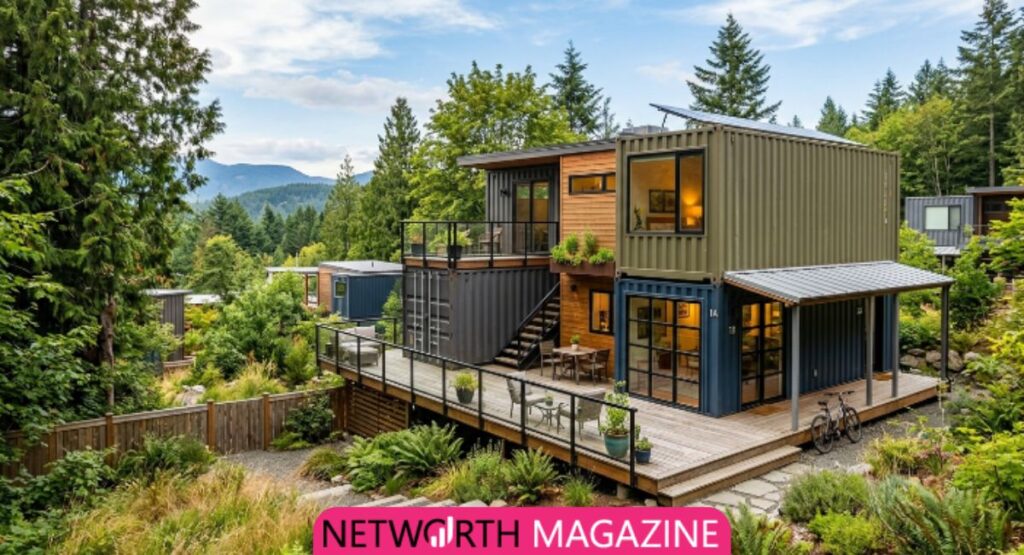
Selecting the right layout matters more than most buyers expect. Good Shipping container home floor plans improve comfort, airflow, storage, and long-term flexibility. Floor planning starts with container size because dimensions shape everything from bedroom placement to kitchen layouts.
A 20 ft shipping container home gives around 160 square feet before finishing. These layouts work well for offices, guest suites, backyard units, and minimalist living. A 40 ft shipping container home offers roughly double the space and supports larger kitchens, separate sleeping areas, and better circulation.
Many homeowners prefer High cube container homes because the extra ceiling height makes rooms feel more comfortable after insulation and utilities are installed. Families often choose Shipping container house plans using 2 containers because connecting units creates wider living areas. These layouts support larger kitchens and more flexible furniture arrangements.
As projects grow, builders move into Multi-container homes and Two-story container homes. These designs unlock possibilities that resemble traditional houses while keeping the modular advantage. Larger homes may include offices, patios, additional bedrooms, and dedicated entertainment spaces. This approach proves that Can you build a house from shipping containers is no longer a question. People already do it successfully across the country.
Container Floor Plan Overview
| Layout Type | Approximate Living Space | Common Use |
| Single 20 ft container | 160 sq ft | Tiny living |
| Single 40 ft container | 320 sq ft | One-bedroom home |
| Two connected containers | 640 sq ft | Small family home |
| Three to five containers | 900–1,800 sq ft | Full residence |
| Two-story layout | 1,500+ sq ft | Large custom build |
People searching for Single container house ideas often begin with compact layouts and expand later. That staged approach helps control spending while preserving future flexibility.
Shipping Container Homes Cost Breakdown
How Much Does a Shipping Container Home Cost?
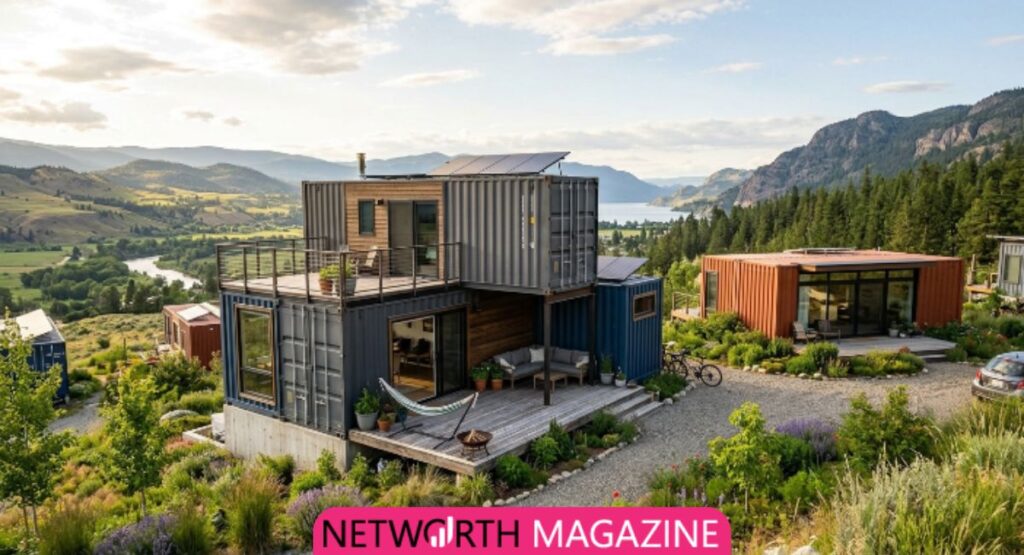
One of the most searched questions is How much does a shipping container home cost. Prices vary depending on location, land preparation, permits, labor, and interior quality. Container projects can cost far less than traditional homes though premium custom builds may reach similar price levels.
Basic container homes usually start with purchasing used or new containers. Then costs expand through utilities, foundations, insulation, finishing, and labor. Buyers comparing Container homes cost should evaluate total project expenses instead of container purchase price alone.
A simple container project may remain affordable because builders already receive the exterior shell. That reduces framing and some structural work. Still, buyers should not underestimate utility installation, climate systems, and finishing details. Expenses increase when adding custom windows, decks, or complex layouts. Costs also rise with Shipping container modifications and advanced engineering.
For buyers asking about Shipping container homes vs traditional homes, container projects often perform best when size remains moderate and planning stays efficient. Prefab container homes may reduce construction time while DIY shipping container homes can lower labor expenses if completed correctly.
Average USA Shipping Container Home Cost Table
| Cost Category | Estimated Range |
| Used container purchase | $2,500–$7,000 |
| New container purchase | $5,000–$10,000 |
| Foundation | $5,000–$20,000 |
| Utilities and systems | $10,000–$40,000 |
| Interior finishing | $20,000–$80,000 |
| Permits and approvals | $1,000–$10,000 |
| Full completed project | $40,000–$250,000+ |
Projects stay more affordable when owners focus on efficient design and realistic expectations. Smart budgeting often matters more than choosing the cheapest materials.
Prefab vs DIY Shipping Container Homes: Which Is Better?
Choosing Between Prefab and DIY Shipping Container Homes
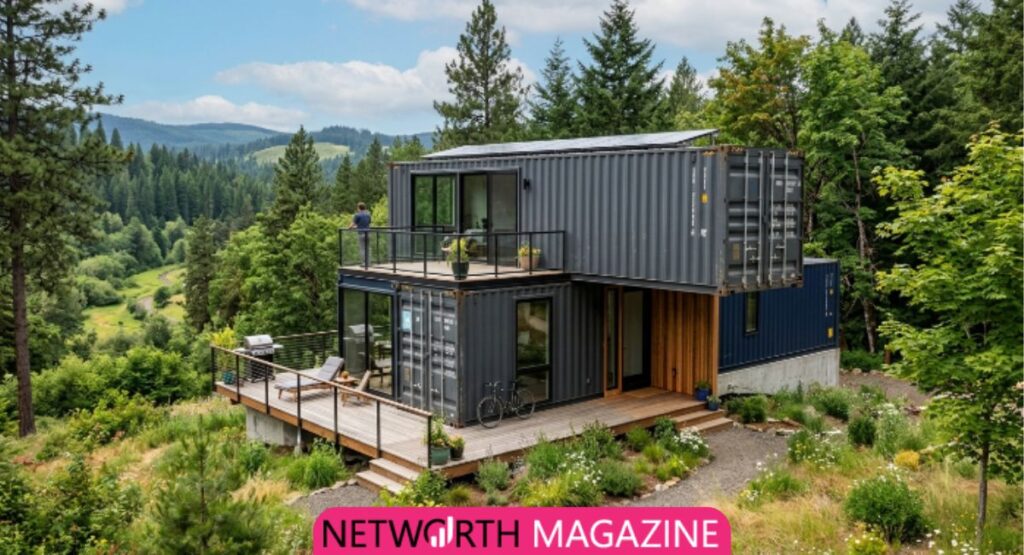
One of the biggest decisions in any Shipping Container Homes project is whether to buy a ready-made unit or build everything yourself. Both options work well. The right choice depends on your budget, timeline, skills, and goals. Buyers who want a smoother experience often choose Prefab container homes because most of the work happens before delivery. Companies complete much of the design, fabrication, and finishing in controlled environments.
A prefab approach reduces surprises and shortens the building process. Many projects use Prefabricated housing methods that simplify installation and reduce weather delays. These homes often arrive with plumbing, insulation, and electrical systems already installed. However, customization may be more limited and prices can increase depending on finishes and transport.
On the other hand, DIY shipping container homes give owners complete creative control. You decide the layout, materials, and finishing details. This path often appeals to people interested in Building with shipping containers because they can spread costs over time and personalize every stage. A carefully planned Custom container home can reflect exactly how you live.
DIY projects require more time and planning. Structural work, inspections, and utility coordination can quickly become complex. Buyers should also review local Building permits and contractor requirements before starting.
Prefab vs DIY Comparison
| Factor | Prefab | DIY |
| Build Speed | Faster | Slower |
| Customization | Moderate | High |
| Labor Required | Lower | Higher |
| Cost Control | Predictable | Flexible |
| Project Complexity | Easier | More demanding |
Common Problems With Shipping Container Homes
Challenges You Should Know Before Building
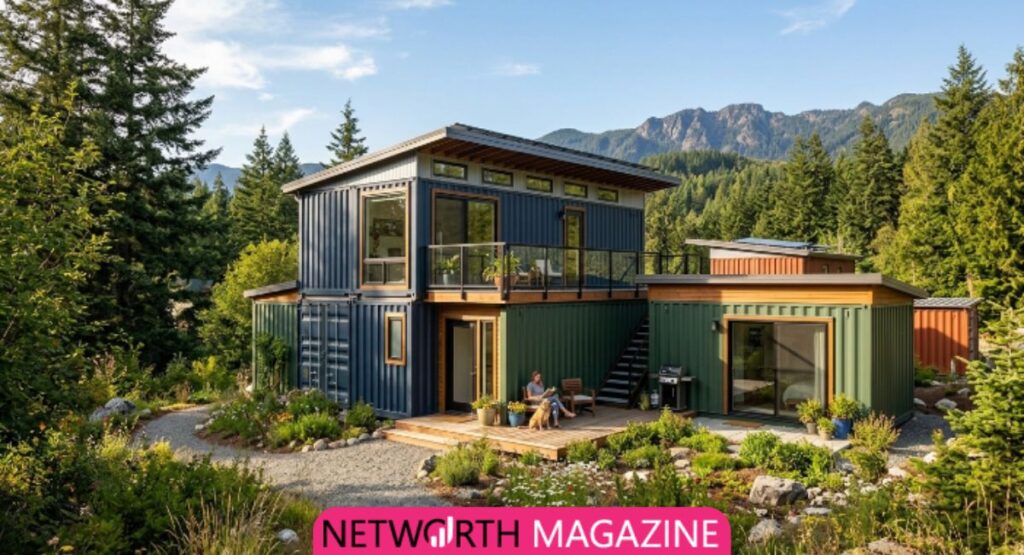
Container homes look simple from the outside though real construction requires careful planning. Understanding these issues early helps avoid expensive mistakes. One common concern involves temperature control. Metal reacts quickly to outside weather which makes Container insulation one of the most important investments in the project.
Without proper insulation and ventilation, indoor temperatures can swing dramatically. Moisture may also collect inside walls. Strong air circulation and professional HVAC installation help maintain comfort throughout the year.
Another challenge involves structure. Standard containers depend on their original frame design. Once builders remove wall sections to create larger spaces, the home often needs Structural reinforcement to preserve strength. Projects that combine multiple containers also require engineering support because removing too much steel weakens the original Load-bearing structure.
Financing and zoning may create additional obstacles. Some lenders still treat container homes differently than conventional houses. Buyers researching Shipping container homes for beginners should confirm financing options, insurance availability, and local approval rules before purchasing land.
Common Problems and Solutions
| Challenge | Practical Solution |
| Heat and cold | Quality insulation |
| Moisture | Ventilation system |
| Structural cuts | Reinforcement engineering |
| Utility routing | Early planning |
| Financing | Specialized lenders |
| Space limits | Efficient layouts |
For many homeowners, these challenges are manageable. Success usually comes from preparation rather than avoiding container construction entirely.
Best Real-Life Shipping Container Home Examples
Container Home Examples That Show What’s Possible
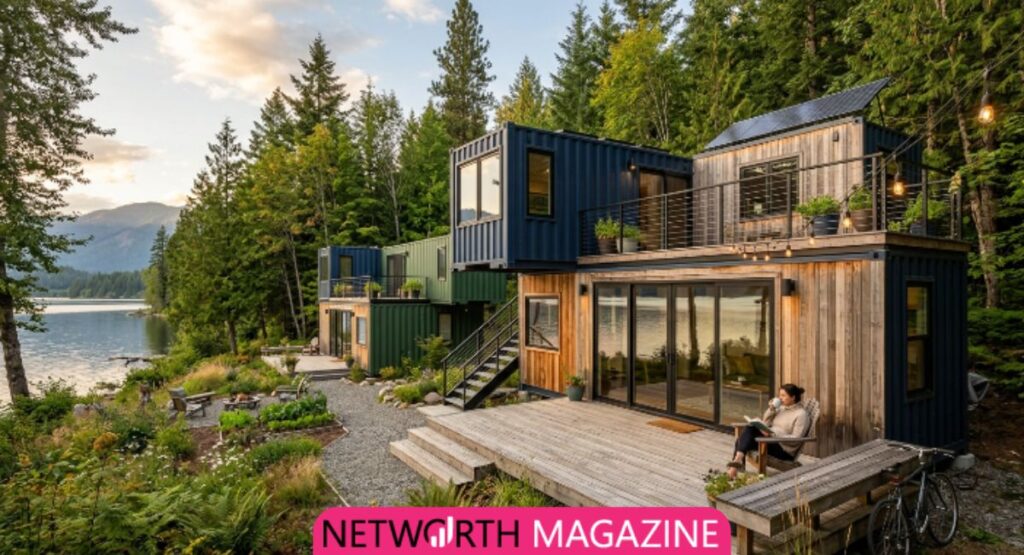
Real projects show how flexible Shipping Container Homes can become. Some owners create compact weekend escapes while others build large residences with luxury finishes. These examples prove container living is not limited to small spaces.
One well-known project uses five containers to create a forest retreat near Washington State. Large windows connect interior spaces with the surrounding landscape. Another famous project transformed more than twenty containers into an architectural home with dramatic angles and expansive views. These projects demonstrate how Best shipping container home designs combine creativity with practical construction.
Smaller projects can be just as impressive. Designers have transformed old storage containers into modern studios, vacation cabins, and family homes. Many successful builds emphasize Interior container design, outdoor integration, and efficient space planning.
Examples across the United States and abroad continue expanding public interest in Sustainable container housing. The most successful projects focus less on novelty and more on comfort, energy efficiency, and long-term usability.
Lessons From Successful Container Projects
| Project Focus | Key Takeaway |
| Luxury build | Design transforms perception |
| Tiny living | Small spaces can feel large |
| Multi-container layout | Better room flexibility |
| Off-grid setup | Greater independence |
| Vacation rental | Strong guest appeal |
How to Build a Shipping Container Home Step by Step
How to Build a Shipping Container Home Successfully
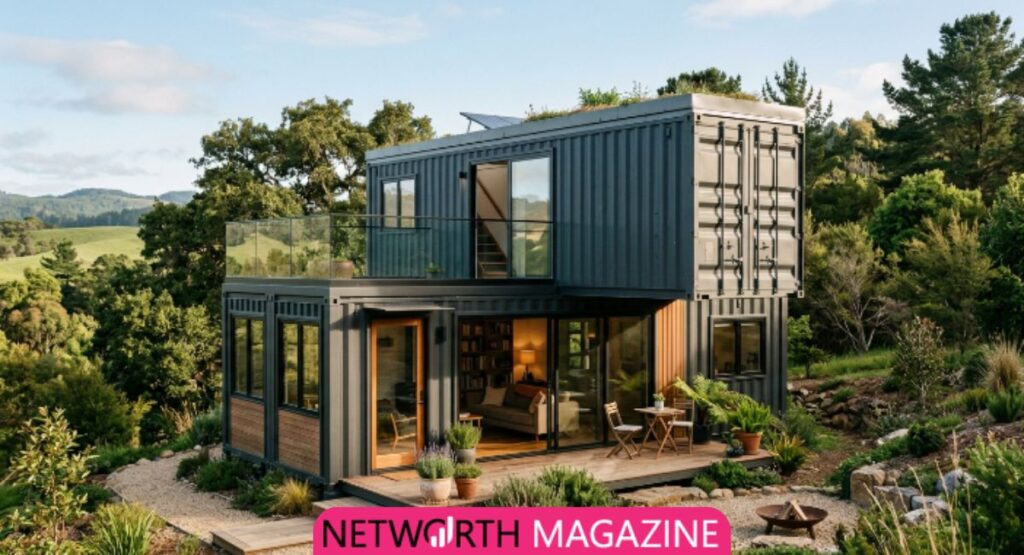
If you are asking How to build a shipping container home, start with planning before purchasing anything. Define your budget, land requirements, and long-term goals. Decide whether the home will be permanent, seasonal, rental-focused, or designed for future expansion.
The next step is choosing containers. Consider size, condition, and transportation costs. Many buyers select one-trip containers for better durability while others save money with used units. Then create design plans and secure engineering approvals before construction begins.
Once planning is complete, site preparation begins. Foundations support the structure and protect against shifting. Builders then complete openings, utility work, insulation, and finishing. During this stage, projects often include Shipping container modifications, plumbing installation, and final design elements.
The final stage focuses on inspections and move-in readiness. Smart planning creates efficient homes that combine modern comfort with distinctive style. Well-executed Modular construction often feels no different from conventional housing.
Typical Build Timeline
| Stage | Estimated Duration |
| Planning and design | 1–2 months |
| Permits and approvals | 1–3 months |
| Site preparation | 2–4 weeks |
| Construction | 2–6 months |
| Final finishing | 2–4 weeks |
Final Thoughts on Shipping Container Homes
Choosing Shipping Container Homes means thinking differently about housing. These homes combine creativity, efficiency, and flexibility in ways traditional construction often cannot match. Whether you want a compact retreat, a rental investment, or a large custom residence, container housing gives you room to experiment without following standard rules.
The best projects balance design with practicality. Focus on planning, understand costs, and build around how you actually live. When done well, container homes become more than a trend. They become comfortable, efficient spaces built for modern life.
FAQ’s About Shipping Container Homes
How much does it cost to build a 40ft container home?
A 40ft container home in the USA typically costs $40,000 to $120,000+ depending on land, insulation, utilities, interior finishes, permits, and customization.
What are the negatives of shipping container homes?
Common drawbacks include limited width, insulation challenges, possible rust, structural changes after cutting walls, financing limits, and local zoning restrictions.
Is it cheaper to build a tiny home or container home?
Tiny homes are often slightly cheaper because they usually require fewer structural modifications, though simple container homes can be competitive in price.
Are container homes legal in the US?
Yes, container homes are legal in many parts of the USA, but rules vary by state, county, and city. You must follow zoning laws and building codes.
What is the lifespan of a container home?
A well-built and properly maintained container home can last 25–50 years or more, especially with rust protection and quality insulation.
People Read Also: Julianna Farrait: The Untold Story of Frank Lucas’s Wife

SEO and digital marketing expert focused on organic growth, content strategy, and online visibility. Founder of Networth Magazine, sharing insights on business, wealth, and digital success.
